Schools, colleges and academy trusts across the UK are under increasing pressure to accommodate growing student numbers while maintaining high-quality learning environments. Expanding existing facilities can be challenging, particularly when space is limited and disruption needs to be kept to a minimum.
This is one of the reasons why modular classrooms have become an increasingly popular option within the education sector. Once viewed primarily as temporary solutions, modern modular classrooms are now being used as long-term teaching spaces that support changing educational needs.
The question many decision-makers still ask is whether modular classrooms genuinely improve the learning environment. Can they provide the same level of comfort, functionality and quality as a traditionally constructed classroom?
The answer depends on how the building is designed, specified and used. When planned correctly, modular classrooms can create modern learning spaces that support both pupils and teaching staff while providing schools with the flexibility they need for future growth.
What Are Modular Classrooms?
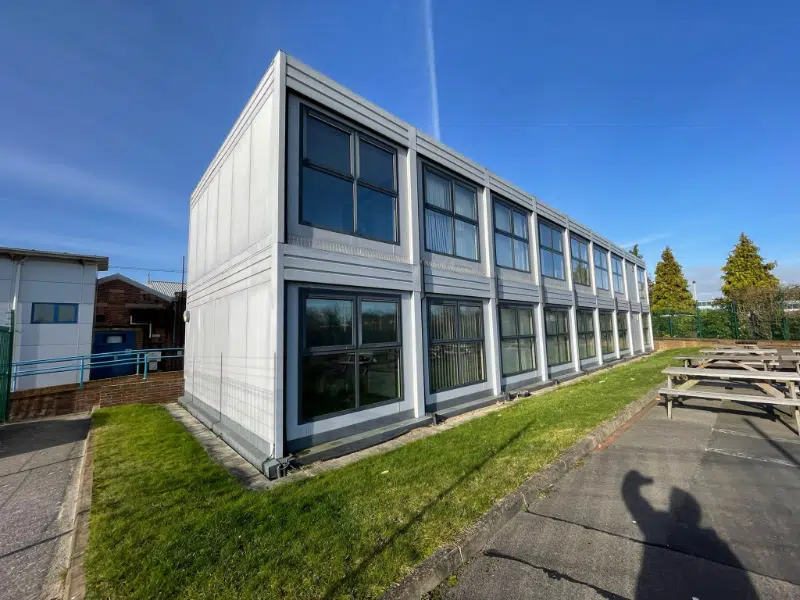
Modular classrooms are educational buildings manufactured off site before being transported and installed at their final location. Rather than constructing the entire building on a school site, sections of the building are produced in a controlled factory environment and then assembled once delivered.
This approach offers schools a practical way to create additional teaching space without the lengthy construction programmes often associated with traditional building projects.
Modern modular classrooms are designed to provide the same essential features expected from any permanent teaching environment. This includes:
They can be used as standalone teaching spaces or integrated into existing school buildings through connecting corridors and walkways.
Many schools choose modular construction because it provides flexibility. Buildings can often be expanded, adapted or reconfigured as requirements change, helping educational establishments respond to future growth without needing to start from scratch.
Do Modular Classrooms Affect Learning?
The learning environment plays an important role in how pupils engage with lessons and how teachers deliver them. While no building can guarantee educational outcomes, the design and quality of a classroom can influence concentration, comfort and day-to-day learning experiences.
Modern modular classrooms are designed with these factors in mind.
Natural Light
Access to natural light is widely recognised as an important feature within educational environments. Well-positioned windows help create bright classrooms that feel welcoming and comfortable throughout the school day.
A classroom that feels open and well-lit can contribute to a more positive learning atmosphere for both pupils and staff.
Ventilation & Air Quality
Fresh air and effective ventilation are essential in any teaching environment. Poor air quality can lead to uncomfortable learning conditions, particularly in busy classrooms occupied throughout the day.
Modern modular classrooms are designed with ventilation systems that help maintain a comfortable internal environment, supporting concentration and overall wellbeing.
Acoustic Performance
External noise can become a distraction in any educational setting. Whether a school is located near roads, playing fields or busy communal areas, excessive noise can affect lesson delivery and pupil focus.
Modular classrooms are designed using modern construction methods and materials that help reduce external noise, creating quieter teaching spaces where learning can take place more effectively.
Flexible Teaching Spaces
Teaching methods continue to evolve. Schools often require spaces that support whole-class teaching, group work, collaborative learning and individual study.
Modular classrooms can be designed with flexibility in mind, allowing educational establishments to create learning spaces that suit their curriculum and teaching approach.
Technology Integration
Modern teaching increasingly relies on digital tools and connected learning environments. Modular classrooms can incorporate the infrastructure required for interactive displays, IT equipment, internet connectivity and other educational technology.
This ensures pupils and teachers have access to the same resources expected within traditional school buildings.
Benefits Of Modular Classrooms For Schools
The educational benefits of modular classrooms are often supported by a range of practical advantages for schools and academy trusts.
Faster Delivery
One of the main reasons schools choose modular construction is speed.
Because much of the building is manufactured off site, site preparation and building production can often take place at the same time. This can significantly reduce project timescales and help schools create additional teaching space sooner.
Reduced Disruption
Construction work within an operational school environment can be challenging.
Modular construction helps reduce the amount of on-site activity required, which can minimise disruption to pupils, teachers and daily school operations.
In many cases, installation can be planned around school holidays or quieter periods, helping educational establishments continue operating as normal.
You can learn more about this process in our guide to how modular classrooms are delivered on time and on budget.
Flexibility For Future Growth
Student numbers can change significantly over time. Modular buildings provide schools with greater flexibility when planning for future expansion.
Additional classrooms can often be incorporated into existing schemes, helping schools respond to changing requirements more efficiently.
Sustainability Benefits
Modern modular construction can support sustainability goals through efficient manufacturing processes and reduced material waste compared with some traditional construction methods.
Many modular classrooms are also designed with energy efficiency in mind, helping schools create comfortable learning environments while managing long-term operational costs.
Budget Considerations
Every education project is different, but modular construction can provide schools with greater certainty around project planning and delivery programmes.
This can be particularly valuable for schools working within defined budgets and funding allocations.
Temporary Vs Permanent Modular Classrooms
One of the biggest misconceptions surrounding modular classrooms is that they are only suitable as short-term or temporary solutions.
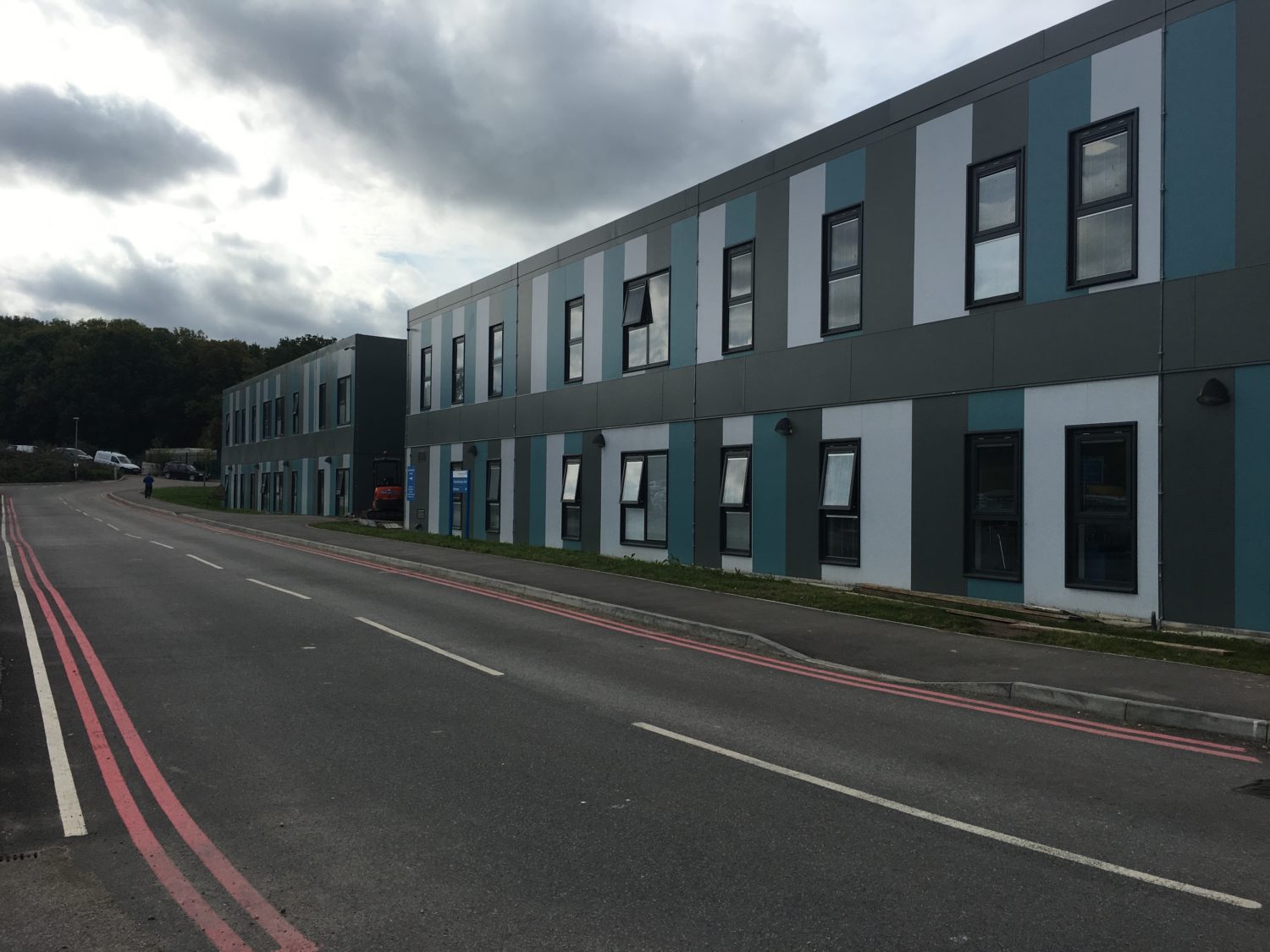
While temporary classrooms remain an important part of the education sector, modern modular classrooms are increasingly being used as permanent teaching facilities.
Permanent modular school buildings can offer:
- Long-term durability
- Modern learning environments
- Flexible layouts
- High-quality finishes
- Energy-efficient performance
For many schools, the finished building is indistinguishable from a traditionally constructed classroom once installation is complete.
Temporary modular classrooms continue to play an important role where schools need to respond quickly to rising student numbers, refurbishment projects or changing site requirements.
The key point is that schools are no longer choosing between temporary quality and permanent quality. Modern modular construction allows educational establishments to create learning spaces that support both immediate and long-term objectives.
How Cotaplan Supports Schools
Cotaplan has been delivering modular buildings across the UK since 1982 and has worked with educational establishments on projects ranging from additional classrooms to larger campus developments.
Our team understands that every school site is different. Available space, access constraints, pupil numbers and future growth plans all influence the design process.
We work closely with schools, colleges and education providers to develop practical solutions that support teaching and learning while minimising disruption.
Our approach includes:
Through our dedicated education sector expertise, we help schools create learning environments that work for both pupils and staff.
Examples of completed education projects include the Sparsholt College project and the Thorpe School project, demonstrating how modular construction can be used to support a variety of educational requirements.
Modular Classrooms FAQs
Are modular classrooms suitable for permanent use?
Yes. Modern modular classrooms can be designed as permanent educational facilities and are widely used by schools, colleges and academy trusts throughout the UK.
How long does a modular classroom installation take?
Project timescales vary depending on the size and complexity of the building. Because much of the construction takes place off site, modular classrooms can often be delivered more quickly than traditional building projects.
Do modular classrooms meet UK education standards?
Modular classrooms can be designed to meet relevant UK building regulations and project-specific educational requirements.
Can modular classrooms include toilets and storage areas?
Yes. Modular classrooms can incorporate toilets, storage spaces, staff facilities and other supporting accommodation depending on the needs of the school.
Are modular classrooms energy efficient?
Many modern modular classrooms are designed with energy efficiency in mind, incorporating insulation, ventilation and other features that support comfortable learning environments.
Can modular classrooms be expanded in the future?
In many cases, yes. Modular buildings can often be adapted or expanded as student numbers and operational requirements change.
Supporting Better Learning Spaces For The Future
Schools need learning environments that support pupils, teachers and long-term educational goals. While modular classrooms were once viewed primarily as temporary buildings, modern designs offer far more than additional space.
Features such as natural light, ventilation, acoustic performance and flexible layouts can help create comfortable teaching environments that support effective learning. Combined with faster delivery, reduced disruption and future flexibility, modular classrooms provide a practical solution for schools facing increasing pressure on space and resources.
If you’re exploring options for additional teaching space, Cotaplan can help you assess whether a modular classroom is the right fit for your school.
You can call us on 01942 271301, email us at info@cotaplan.co.uk, or fill in our online contact form.