Modular buildings have become an increasingly popular choice for organisations looking to create high-quality space without many of the challenges associated with traditional construction. From schools and hospitals to offices and commercial premises, modular construction provides a practical way to deliver new buildings while maintaining flexibility, quality and efficiency.
Although the term is now widely recognised across the construction industry, there are still plenty of misconceptions surrounding modular buildings. Some people assume they’re only suitable as temporary accommodation, while others believe they offer fewer design options than traditional buildings. The reality is very different.
At Cotaplan, we’ve been designing, manufacturing and installing modular buildings for more than 40 years. Throughout that time, we’ve delivered projects across a wide range of sectors, creating everything from classrooms and offices to healthcare facilities and commercial buildings.
This guide explains what modular buildings are, how they’re constructed and why they’re becoming an increasingly popular solution for organisations across the UK.
What Is A Modular Building?
A modular building is a structure that’s manufactured in sections, known as modules, within a controlled factory environment before being transported to site for installation. Once delivered, the individual modules are carefully positioned, connected together and finished to create a complete building that’s ready for use.
Unlike many traditional construction projects, where the majority of work takes place on site, modular construction allows much of the manufacturing process to be completed away from the final location. This provides greater control over quality while helping reduce disruption during installation.
Modern modular buildings are available in a wide variety of sizes, layouts and specifications. Depending on the project, they can be supplied as temporary or permanent buildings, designed around the operational requirements of the organisation using them.
At Cotaplan, we manufacture modular buildings for sectors including education, healthcare and commercial environments, creating buildings that are tailored to each client’s requirements rather than relying on standard layouts.
How Do Modular Buildings Work?
Every modular building project begins long before manufacturing starts. Careful planning allows the building to be designed around its intended use, ensuring the finished space supports the people who’ll use it every day.
The process typically begins with an initial consultation to understand the client’s objectives, available site space and operational requirements. From there, detailed designs are produced before manufacturing begins within a controlled factory environment.
One of the key advantages of this approach is that manufacturing and site preparation can often progress at the same time. While modules are being constructed off site, groundworks and other preparatory work can continue at the installation location where appropriate. Running these activities alongside one another helps reduce the overall project programme compared with carrying out every stage consecutively on site.
Once manufacturing is complete, the modules are transported to site and carefully installed using specialist lifting equipment. Internal and external finishing works are then completed before the building is prepared for handover.
Because manufacturing takes place in a controlled environment, quality can be monitored throughout the process. Each stage is completed to consistent standards before the modules leave the factory, helping ensure the finished building performs exactly as intended once installed.
This approach has made modular construction an increasingly popular option for organisations looking to create additional space without prolonged disruption to their day-to-day operations.
Types Of Modular Buildings
One of the biggest strengths of modular construction is its versatility. Rather than serving a single purpose, modular buildings can be designed for a wide range of sectors and applications, with layouts tailored to the needs of each organisation.
Within the education sector, modular classrooms provide flexible teaching environments that can accommodate growing pupil numbers, replace ageing accommodation or support estate redevelopment programmes. Buildings can be designed as standalone classrooms or incorporated into larger educational facilities depending on the available space and long-term requirements.
Businesses often choose modular offices to create professional workspaces that can be delivered efficiently while supporting future growth. From open-plan offices and meeting rooms to reception areas and welfare facilities, layouts are designed around the way each organisation operates.
Healthcare providers also benefit from modular construction, using purpose-built facilities to expand clinical capacity, create modular hospital buildings, clean rooms and labs or provide additional accommodation with minimal disruption to existing services.
Commercial organisations, local authorities and industrial businesses continue to adopt modular buildings for a variety of applications, demonstrating how adaptable this method of construction has become across the UK.
Rather than being limited to one type of project, modular construction provides a flexible approach that allows buildings to be designed around the specific needs of the people using them.
Benefits Of Modular Buildings
Organisations across the UK are increasingly choosing modular construction because it offers practical advantages throughout the lifetime of a project. While every development has different priorities, modular buildings often provide greater programme certainty, high levels of quality and the flexibility to adapt as requirements change.
Faster Project Delivery
One of the biggest advantages of modular construction is the ability to complete different stages of a project at the same time. While modules are being manufactured off site, groundworks can often progress on location, reducing the overall construction programme compared with completing every stage sequentially.
For schools, healthcare providers and commercial organisations, this shorter programme can minimise disruption and allow new facilities to become operational much sooner.
Consistent Quality
Manufacturing within a controlled environment allows every module to be produced under carefully managed conditions. Each stage of construction is monitored before the building leaves the factory, helping maintain consistent quality throughout the project.
Unlike traditional construction, progress is also less affected by adverse weather, allowing manufacturing to continue while maintaining the expected standards.
Flexibility For The Future
Organisations rarely stand still, and buildings need to keep pace with changing demands. Modular buildings can be designed with future growth in mind, making it easier to extend, reconfigure or adapt layouts as operational requirements evolve.
Whether additional teaching space, larger offices or new healthcare facilities are needed, modular construction offers a level of flexibility that supports long-term planning.
A More Sustainable Approach
Sustainability is an increasingly important consideration for organisations investing in new facilities. Off-site manufacturing can help reduce material waste through more efficient production methods, while careful planning improves the use of materials throughout the construction process.
At Cotaplan, sustainability extends beyond new manufacture. We also supply refurbished modular buildings where appropriate, helping organisations make practical use of existing assets. You can learn more about our approach to sustainable modular construction and how it supports modern building projects.
Modular Buildings Vs Traditional Construction
Modular construction and traditional construction both have an important place within the built environment. The right solution depends on the type of project, the site conditions and the organisation’s objectives.
Traditional construction remains the preferred choice for many large or highly bespoke developments, particularly where buildings are heavily integrated into existing structures or require specialist construction methods. Modular construction, on the other hand, is often selected where quality, programme certainty and reduced disruption are key priorities.
One of the most noticeable differences is where the work takes place. With traditional construction, almost every stage is completed on site, making progress more dependent on weather conditions and site access. Modular buildings are largely manufactured before delivery, allowing site preparation and building production to progress simultaneously wherever possible.
For organisations that need to remain operational throughout construction, this can be particularly valuable. Schools can minimise disruption to teaching, healthcare providers can maintain patient services and businesses can continue operating while preparations are underway.
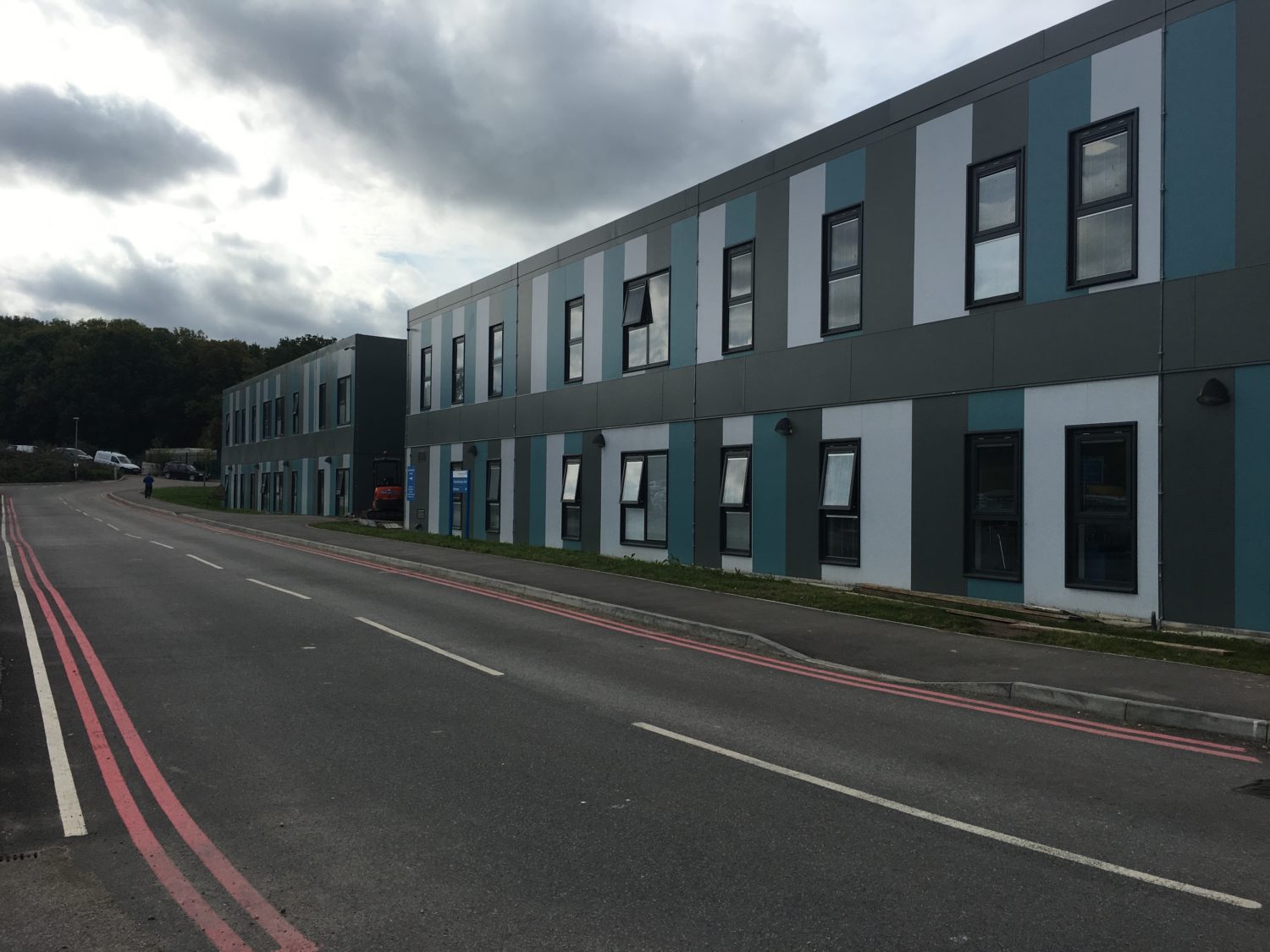
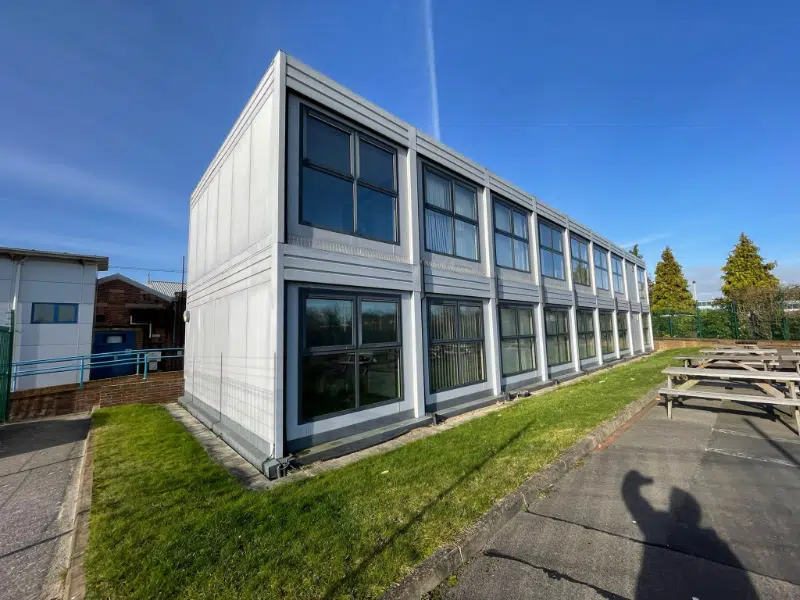
Modern modular buildings also offer far greater design flexibility than many people expect. They are no longer limited to simple rectangular layouts or temporary accommodation. Contemporary modular buildings can include multiple storeys, open-plan environments, specialist facilities and high-quality external finishes that complement the surrounding environment.
Rather than viewing modular construction as an alternative to traditional building methods, many organisations see it as another way of achieving the same goal. The focus remains on delivering a building that meets operational requirements while providing the quality, durability and functionality expected from any modern construction project.
Common Uses For Modular Buildings
The flexibility of modular construction means it can be applied across almost every sector, with buildings designed to suit the specific activities taking place inside them.
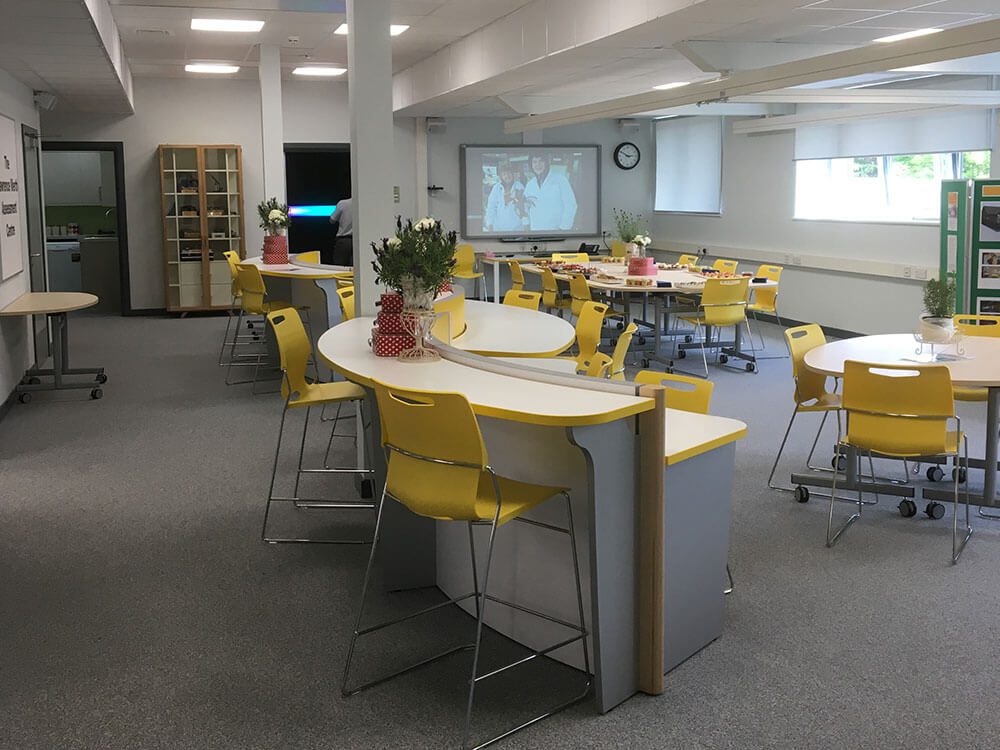
Within education, modular buildings provide additional teaching space for growing schools, colleges and universities. They can be used to create new classrooms, specialist learning environments, staff facilities or complete teaching blocks, helping education providers respond to changing pupil numbers without lengthy construction programmes.
Commercial organisations frequently invest in modular buildings to expand office accommodation, create meeting facilities or provide welfare spaces for employees. Layouts are developed around each organisation’s operational requirements, so businesses can create workspaces that support productivity while allowing room for future growth.
Healthcare is another sector where modular construction continues to play an important role. Hospitals, GP practices and healthcare providers often require additional clinical space while maintaining existing services. Modular buildings make it possible to deliver consulting rooms, treatment areas and support facilities with reduced disruption to patients and staff.
Local authorities, airports and industrial organisations also use modular buildings for a variety of purposes, including administration buildings, operational facilities, visitor reception areas and welfare accommodation.
Over the last four decades, we’ve delivered completed modular building projects across many of these sectors, with every building designed around the client’s operational requirements rather than a standard specification. That breadth of experience has shown how adaptable modular construction can be, regardless of the size or complexity of the project.
Do Modular Buildings Need Planning Permission?
Planning permission is one of the most common questions organisations ask when considering a modular building. The answer depends on the type of project, where the building will be located and how it will be used.
Some developments may be covered by permitted development rights, while others will require a full planning application. Building Regulations may also apply, particularly for permanent buildings or projects with specific operational requirements.
Because every site is different, it’s important to establish what permissions are needed before work begins. Speaking with your local planning authority at an early stage can help identify any requirements and avoid unnecessary delays later in the project.
At Cotaplan, we support clients throughout the planning process where required, helping ensure projects progress as smoothly as possible from the initial design through to installation.
What Is The Lifespan Of A Modular Building?
A well-designed modular building is built to provide reliable, long-term performance.
Modern modular construction uses durable materials and manufacturing techniques that allow buildings to perform to the same high standards expected of traditionally constructed properties.
The lifespan of a modular building depends on factors such as its specification, intended use and ongoing maintenance. Permanent modular buildings are designed for decades of use, while temporary buildings continue to provide an effective solution where accommodation is needed for shorter periods.
Routine maintenance remains just as important as it would be for any other building. Looking after external finishes, roofing, drainage and internal services helps ensure the building continues to perform well throughout its lifetime.
With the right design, installation and maintenance, modular buildings offer organisations a dependable solution that continues to meet their operational requirements well into the future.
The Future Of Modular Construction
Modular construction has evolved significantly over the past few decades, and demand continues to grow as more organisations recognise the advantages it offers.
Businesses and public sector organisations are increasingly looking for ways to deliver high-quality buildings while reducing programme times and minimising disruption. Modular construction responds to those challenges by combining modern manufacturing techniques with flexible design, creating buildings that are both practical and adaptable.
At the same time, sustainability is becoming an increasingly important consideration across the construction industry. More efficient manufacturing processes, careful material management and the opportunity to refurbish or repurpose existing buildings all contribute towards a more responsible approach to development.

As technology continues to develop, modular buildings are likely to become an even more familiar part of the built environment. Advances in design, manufacturing and building performance will continue to expand the range of projects that can benefit from off-site construction, giving organisations greater flexibility when planning for the future.
Having delivered modular buildings across the UK for more than 40 years, we’ve seen first-hand how the industry has developed. While manufacturing methods continue to evolve, the objective remains the same: creating high-quality buildings that provide practical, long-lasting solutions for the organisations using them.
Frequently Asked Questions
Are modular buildings permanent?
Yes. Modular buildings can be supplied as either temporary or permanent solutions. Permanent modular buildings are designed for long-term use and are built to meet the same performance standards expected of many traditionally constructed buildings.
Are modular buildings as strong as traditional buildings?
Modern modular buildings are engineered to meet relevant building standards and are designed to provide safe, durable accommodation across a wide range of sectors, including education, healthcare and commercial environments.
How long does it take to install a modular building?
Every project is different, but because the modules are manufactured before arriving on site, installation is often completed much more quickly than traditional construction. The overall programme depends on the size and complexity of the building, along with any site preparation required.
Are modular buildings environmentally friendly?
Modular construction can offer several environmental benefits, including more efficient use of materials and reduced waste during manufacturing. Refurbishing and reusing existing modular buildings can also help reduce the environmental impact of future developments. You can find out more about sustainable modular construction in our dedicated guide.
Can modular buildings be extended?
Yes. One of the key advantages of modular construction is its flexibility. Many buildings can be extended or reconfigured as organisational requirements change, making them a practical solution for businesses and public sector organisations planning for future growth.
What types of organisations use modular buildings?
Modular buildings are used across a wide range of sectors, including education, healthcare, commercial, industrial and public sector environments. They can provide everything from classrooms and offices to welfare facilities, healthcare accommodation and specialist operational buildings.
Learn More About Modular Buildings
Modular construction has become an established way of delivering high-quality buildings for organisations that need flexibility, efficiency and long-term performance. Whether the requirement is for additional teaching space, modern office accommodation or specialist commercial facilities, modular buildings provide a practical solution that’s designed around the needs of the people using them.
At Cotaplan, we’ve been designing, manufacturing and installing modular buildings for organisations across the UK since 1982. Every project is developed around the client’s operational requirements, with a complete turnkey service that takes care of everything from the initial concept through to installation.
If you’re considering a modular building for your organisation, explore our completed modular building projects to see how we’ve helped clients across a wide range of sectors, or get in touch to discuss your requirements with our team.
Get in touch with our team today on 01942 271301, email us at info@cotaplan.co.uk, or fill in our online contact form to discuss your modular education building project.