Celebrating over 40 years of outstanding modular buildings

There’s no denying the increasing pressure on the UK’s healthcare system. Budget cuts and longer NHS waiting times affect millions of people every single day. Lack of space and facilities is also a significant result of underfunding. With more and more industries turning to modular construction for fast, affordable building solutions, prefab units are seen by many as the answer to the UK’s patient backlog? Let’s take a close look at how modular buildings can offer a practical way to help healthcare professionals deliver compliant, cost-effective care. 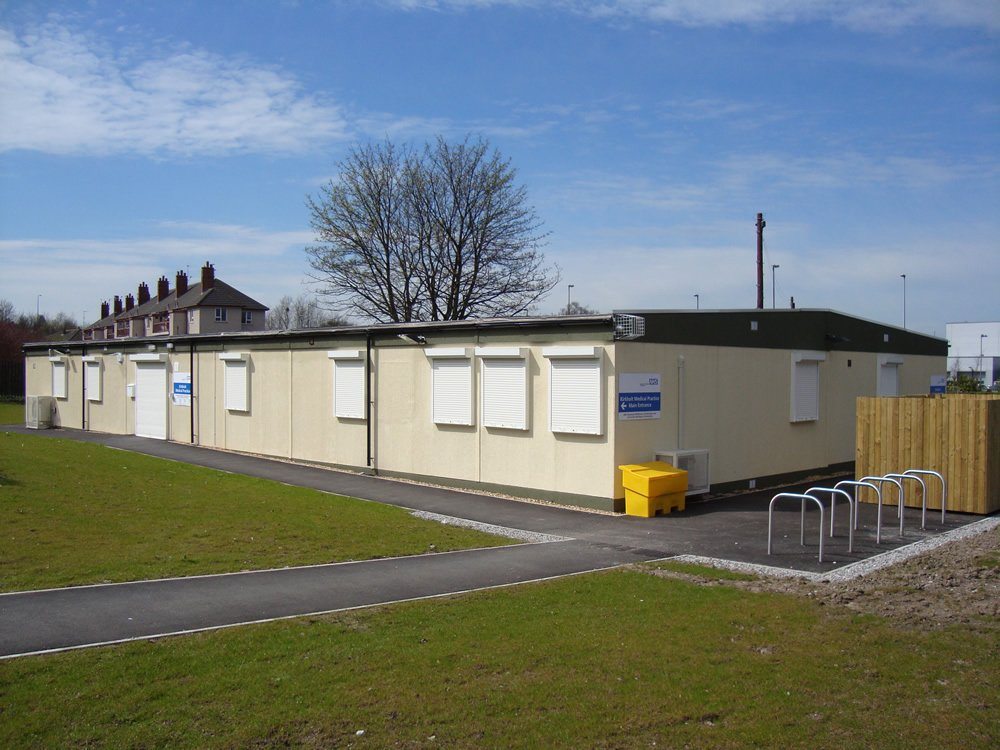
Since the outbreak of COVID-19, the NHS has been under huge strain trying to catch up with treatments and procedures that were interrupted while focus needed to be on handling the pandemic. In March 2025, over 6.24 million people were on the NHS waiting list, with nearly 3 million people waiting for more than 18 weeks for an appointment or treatment. Many factors contribute to this backlog, but with more beds, there’s a high chance more patients could receive timely treatment. Unfortunately, the traditional construction process needed to build more hospital wards, surgical suites, clean rooms, and other spaces is expensive. Traditional buildings also take a long time to construct and can be incredibly disruptive to hospitals and other health care settings. So what is the alternative?
A modular healthcare building is a pre-fabricated unit designed specifically for use in medical and other healthcare settings. With modular buildings, 90% of the construction is done off-site. Just like flat-pack furniture (but made to the absolute highest standards), the building sections can then be put together on-site. Are modular buildings compliant with HTM standards? Health and safety compliance is hugely important in any medical setting, and our modular healthcare buildings adhere to HTM (Health Technical Memoranda) standards and include HVAC systems and infection control measures. Every element of each unit also undergoes strict quality checks at various stages of the manufacturing process. Learn more about what modular buildings are and why they are growing in popularity in a range of industries. 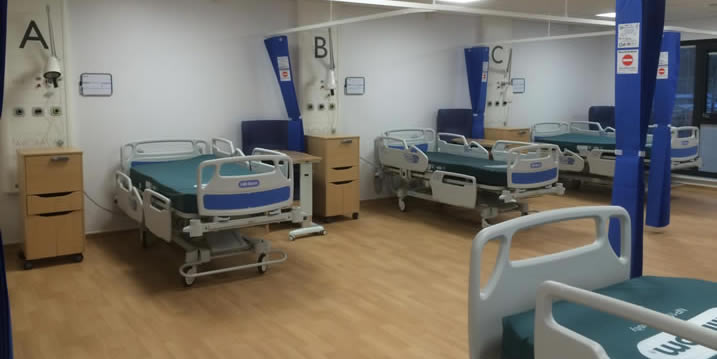
As well as being up to 60% cheaper than traditional building methods, flexible modular buildings offer a whole host of benefits for medical teams.
With over 40 years of experience, the specialists at Cotaplan have supported a wide range of healthcare providers in building high-quality modular units that create clean, comfortable, and compliant spaces for staff and patients. We’ve seen how modular healthcare buildings can be invaluable in:
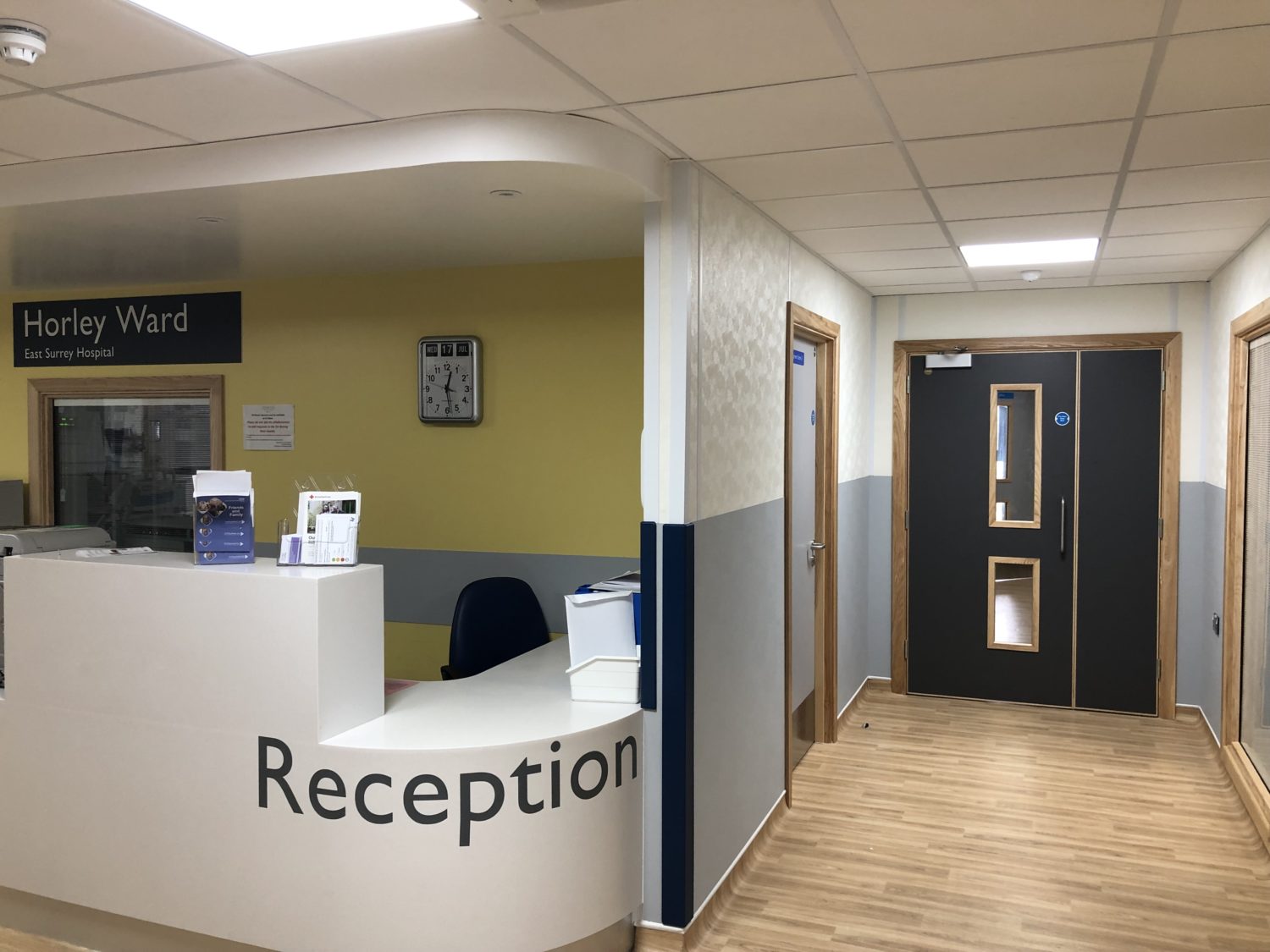
We’ve already looked briefly at how adaptable modular buildings can be, but it’s worth reiterating how vital this adaptability is in healthcare. As the coronavirus pandemic has shown, it’s essential to be prepared for medical crises — and modular healthcare facilities can be a fast solution in emergency situations. Their scalability means they can also help medical professionals keep up with healthcare demands before they become an emergency, whether through providing additional diagnostic clinics or extra bed space.
We can never know what’s around the corner, but modular buildings can offer an agile way to navigate the world of healthcare as it evolves. Modular units from Cotaplan are compliant with building regulations and health and safety standards, and can be tailored to any design, making them an excellent addition to hospitals, doctors’ surgeries, and a plethora of other medical facilities. To learn more about our modular healthcare buildings, please don’t hesitate to get in touch to speak with one of our experts.